
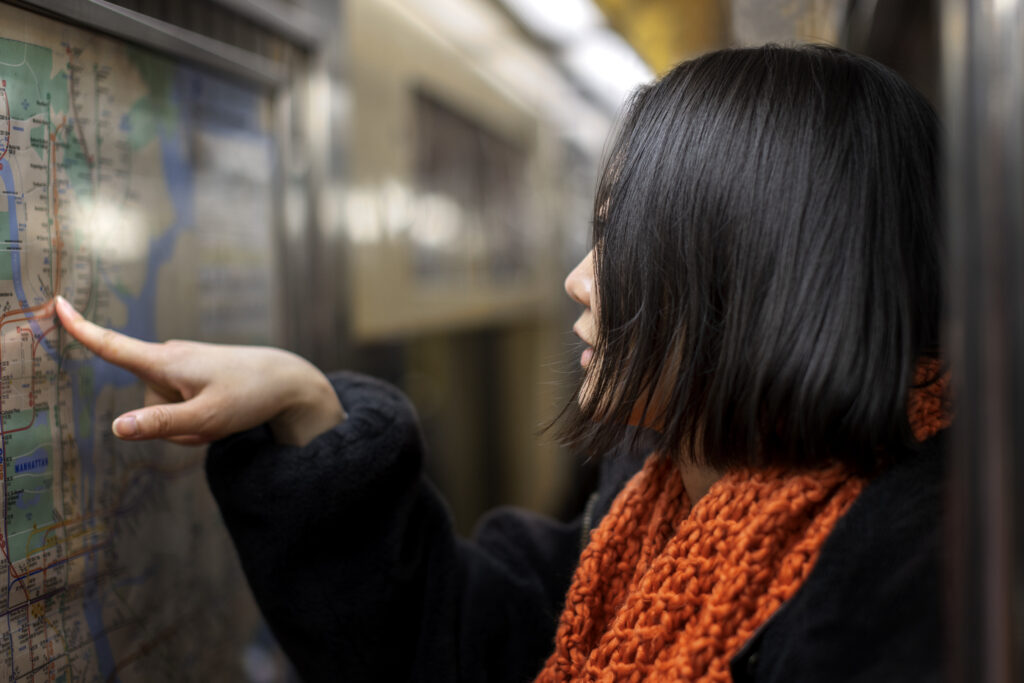
I took the wrong train my first day in New York. Got on an express, skipped six stops, ended up in a neighborhood I didn’t recognize, and spent 20 minutes figuring out how to get back. I had no idea what I was doing.
That was years ago, and I’ve been on the NYC subway hundreds of times since. It’s now my favorite thing about the city – fast, cheap, runs 24/7, and connects you to every corner of Manhattan, Brooklyn, Queens, the Bronx, and Staten Island. Here’s the guide I wish someone had handed me on day one.

How the System Is Organized
The NYC subway has 27 lines identified by letters and numbers. Lines that share tracks are grouped by color on the map – so the 4, 5, and 6 trains all run on the same Lexington Avenue corridor and are shown in green. The color tells you which trunk line you’re on; the number or letter tells you the specific service.
The two most important concepts: uptown vs. downtown and local vs. express. Uptown means heading north (toward higher street numbers). Downtown means heading south. Get these directions wrong and you’re going the wrong way – this sounds obvious but I’ve seen seasoned travelers board in the wrong direction after staring at the map for two minutes.
Local trains stop at every station. Express trains skip most stops and only halt at the major hubs – 14th, 42nd, 59th, 86th, 125th Street. An express is faster, but if you overshoot your stop there’s a long ride back.
Paying: OMNY Is Your Friend
The old MetroCard is being phased out. The new system is OMNY – and it accepts contactless payment directly from your phone or credit card at the turnstile. Tap your card, your Apple Pay, your Google Pay – whatever you have. Single rides cost $2.90.
If you’re staying for a week, the 7-day unlimited pass is worth running the math: $34, unlimited rides. If you’re doing more than about 12 trips total, the pass wins. For a city trip where you’re moving around all day, that threshold disappears by day two.
MetroCard machines are still at most stations if you want a physical card, but the OMNY tap system is faster and you skip the whole “load credit onto a separate card” step. Just use what’s already in your wallet or on your phone.
The Express Train Trap (Don’t Do What I Did)
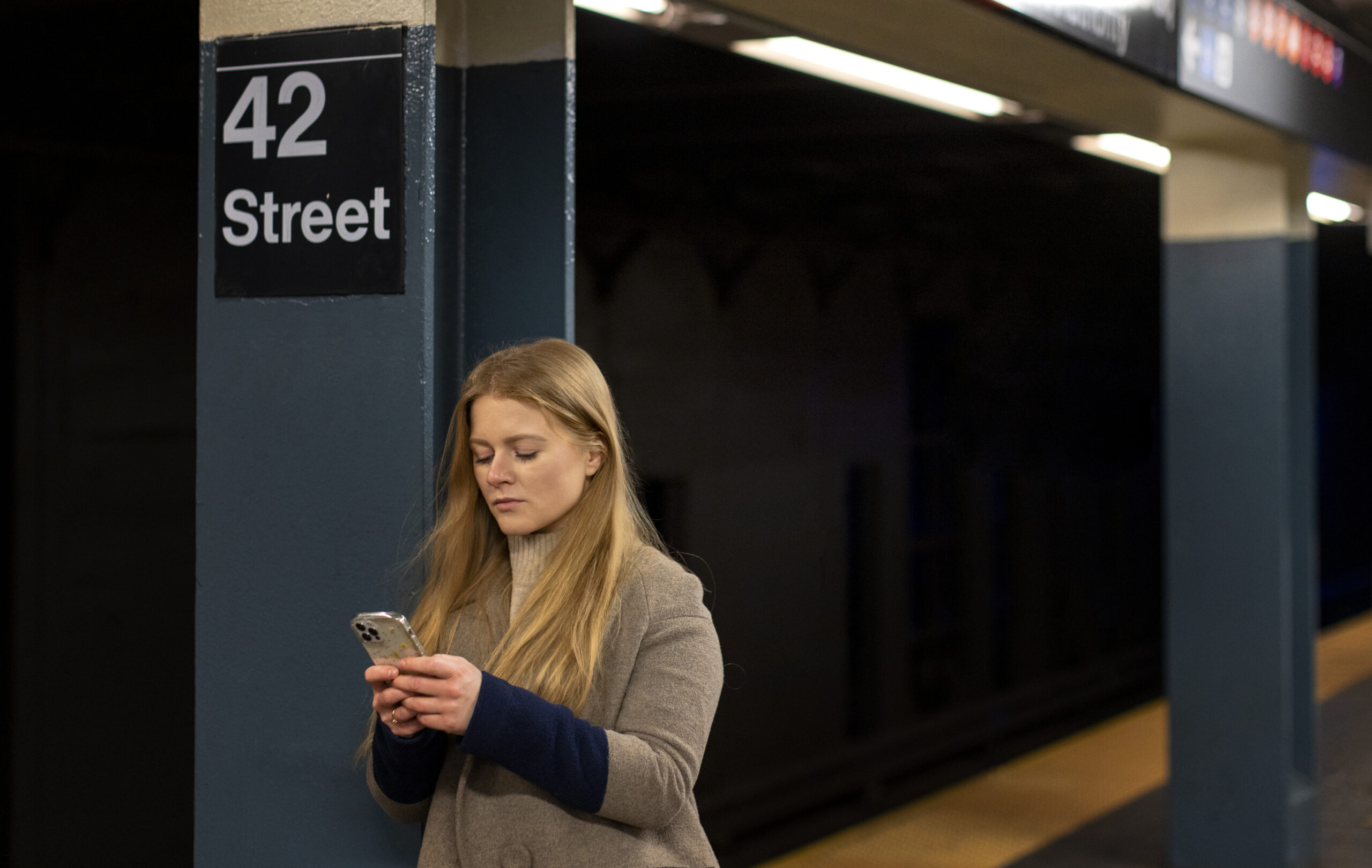
You’re on the platform, you need 72nd Street, a train pulls up. You get on. But it’s an express – next stop is 96th Street. You’ve overshot by 24 blocks and now you’re standing there wondering what happened.
Before you board, check the front of the train or the electronic signs on the platform. They show the train letter/number and whether it’s local or express. On many platforms, express and local trains run on separate tracks side by side – if you need a local stop, wait for the local train.
Quick cheat sheet: on the 1/2/3 lines, the 1 is local and the 2 and 3 are express. On the A/C/E, the A is express and the C and E are local. Google Maps and Citymapper will tell you exactly which train to take – trust those apps over memorizing every line.
Finding the Right Entrance
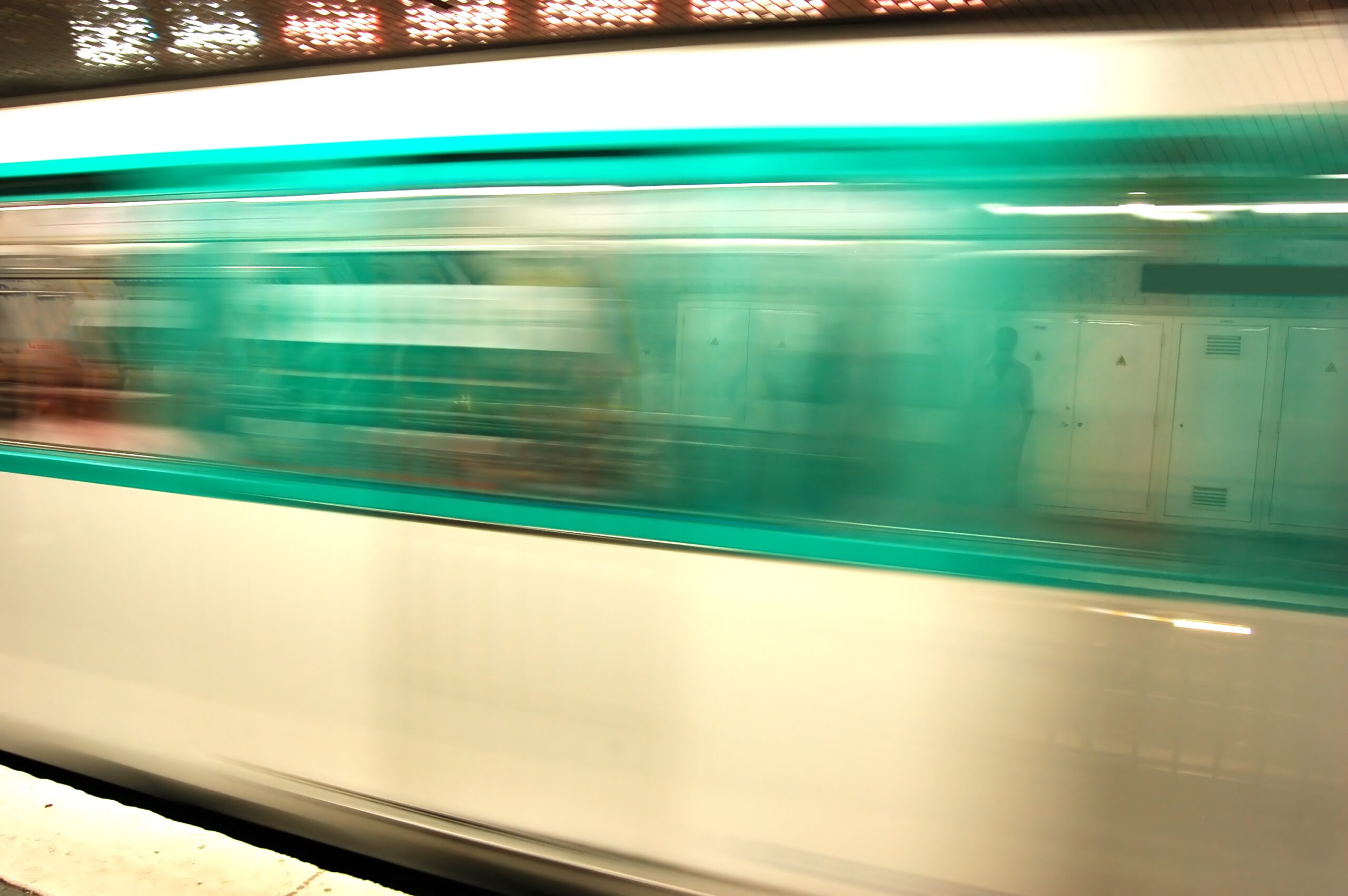
NYC subway stations often have multiple entrances, and not all of them give you access to both directions. Some are uptown-only, some downtown-only. Walking down the wrong staircase means either backtracking through a turnstile (costs another swipe) or going back above ground to try again.
Look for the colored globe at the top of the stairs: green means open 24/7, red means limited hours. Before you swipe in, check the signage near the turnstiles to confirm you’re on the correct side. Most stations label it clearly – “Uptown 4/5/6” or “Downtown A/C/E” at the entrance.
At major hubs like Times Square-42nd St or Union Square, there are underground connections between lines that don’t require swiping again. If you’re transferring from the 4/5/6 to the L at Union Square, you can do it without leaving the station.
Weekend Service Changes: The MTA’s Favorite Surprise
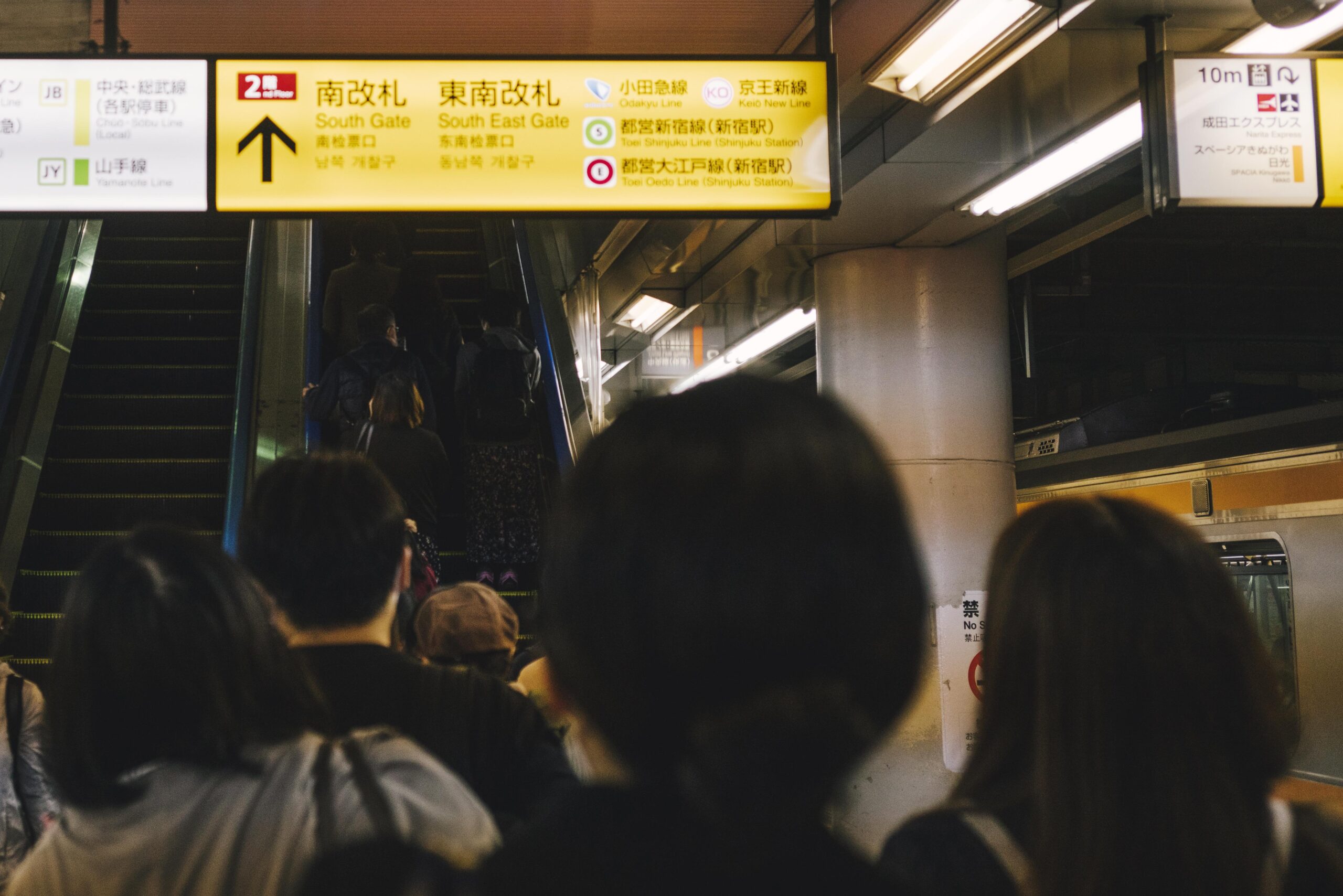
Weekend service changes are the great equalizer – they confuse tourists and lifelong New Yorkers equally. The MTA does maintenance constantly, and weekends mean certain lines get rerouted, shortened, or replaced with shuttle buses. You might expect a 2 train and get a notice that it’s running express, skipping your stop entirely.
Always check Google Maps or Citymapper right before you travel on weekends. These apps pull live MTA data and route you around service changes automatically. Don’t rely on what “usually” runs – check every time on Saturdays and Sundays.
Also: build in buffer time if you have a hard deadline – a flight, a Broadway show, a restaurant reservation with a cancellation policy. The subway is usually reliable but delays happen. Ten extra minutes of cushion costs nothing.
▶ Watch This Before You Go
Etiquette (Don’t Be That Person)
New Yorkers have unspoken subway rules and they will absolutely give you the look if you break them. Move into the car – don’t stand in the doorway blocking everyone trying to board. Give up your seat for elderly passengers, people with kids, or anyone who clearly needs it more than you do. During rush hour, your backpack goes in front of you or on the floor, not on the seat next to you while people stand.
Talk at a normal volume. Headphones are basically mandatory. Don’t blast your music at the whole car. Eat if you have to, but not a full hot meal. And if the doors are closing – let them close. The train will be back in a few minutes. Trying to force your way in through closing doors is the most tourist thing you can do on the subway. 😅
Is It Safe?
Much safer than the reputation suggests. Millions of people ride the NYC subway every single day without incident. Stay aware of your surroundings, keep your phone in your pocket on crowded platforms, don’t sleep with your bag open. Standard big-city common sense, nothing dramatic.
Late night the subway gets quieter and some lines feel emptier. It’s generally fine on the busy tourist corridors, but if you’re uncomfortable at 2am, Uber exists. There’s no rule that says you have to ride the subway at every hour – use your judgment.
Apps to Have on Your Phone

Google Maps – reliable, pulls live data, covers all MTA lines. Citymapper – the local favorite, faster on service change updates, cleaner subway-specific directions. The MTA app – set alerts for your specific lines and you’ll get notified of delays before they strand you.
Load your route before you go underground – there’s wifi at most stations but not in the tunnels. Once you’re moving, you’re on your own until the next stop. Not a big deal, just check before you board.
The subway unlocks New York in a way nothing else does. Once you stop dreading it and start using it reflexively, the whole city shrinks to a manageable size. Two days in and you’ll be navigating it like you’ve been here for years. Trust me on this one.