You’ve probably heard the stats. Eight million people. Five boroughs. The city that never sleeps. You’ve seen it in a hundred movies and thought you knew what you were getting into.
You didn’t. And that’s fine – most first-timers don’t. But there’s a whole layer of practical reality that travel guides gloss over, and it’s the stuff that actually makes or breaks your trip. So here’s what nobody actually tells you about visiting New York City.
The Grid Makes You Feel Like a Genius
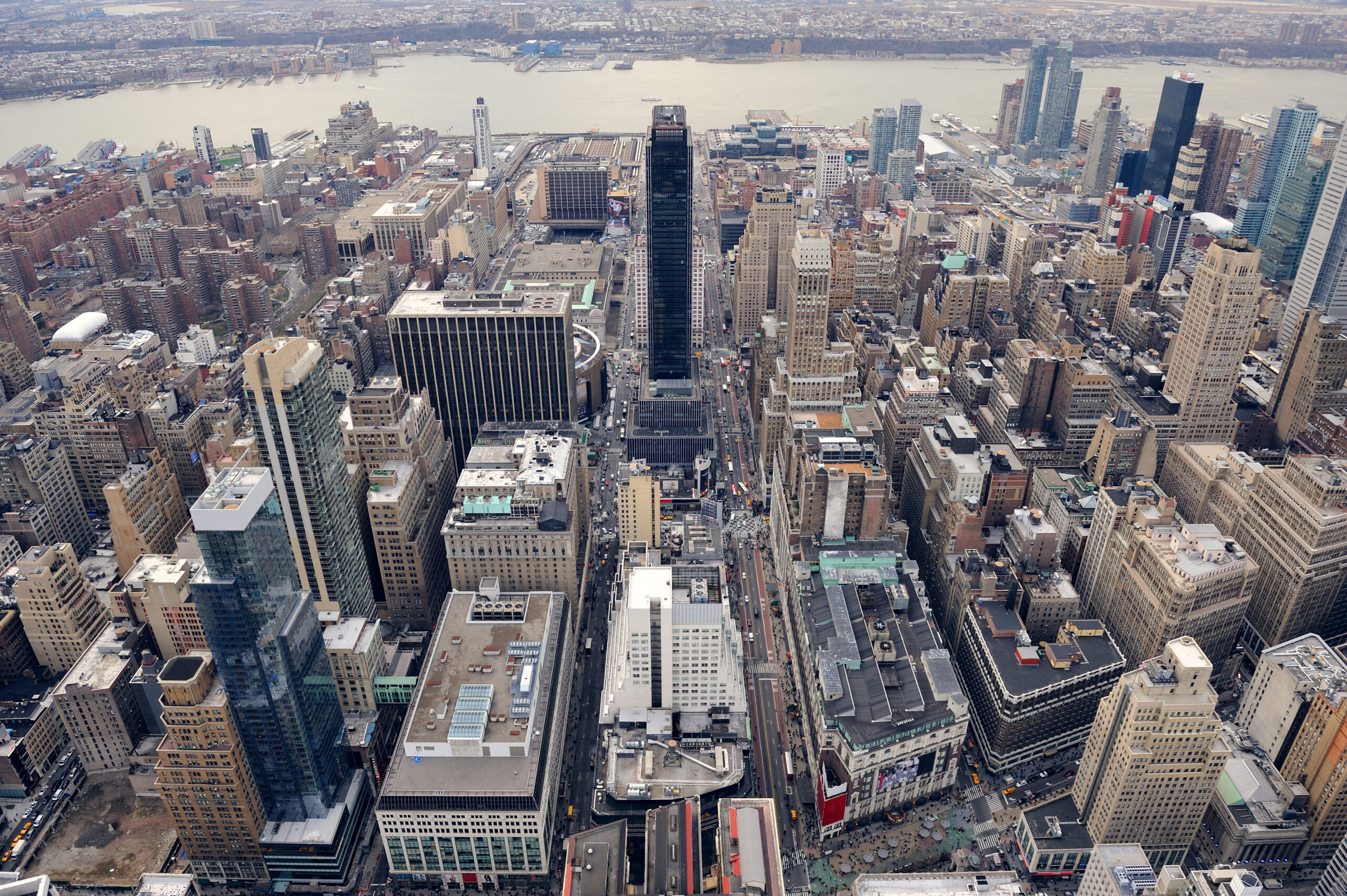
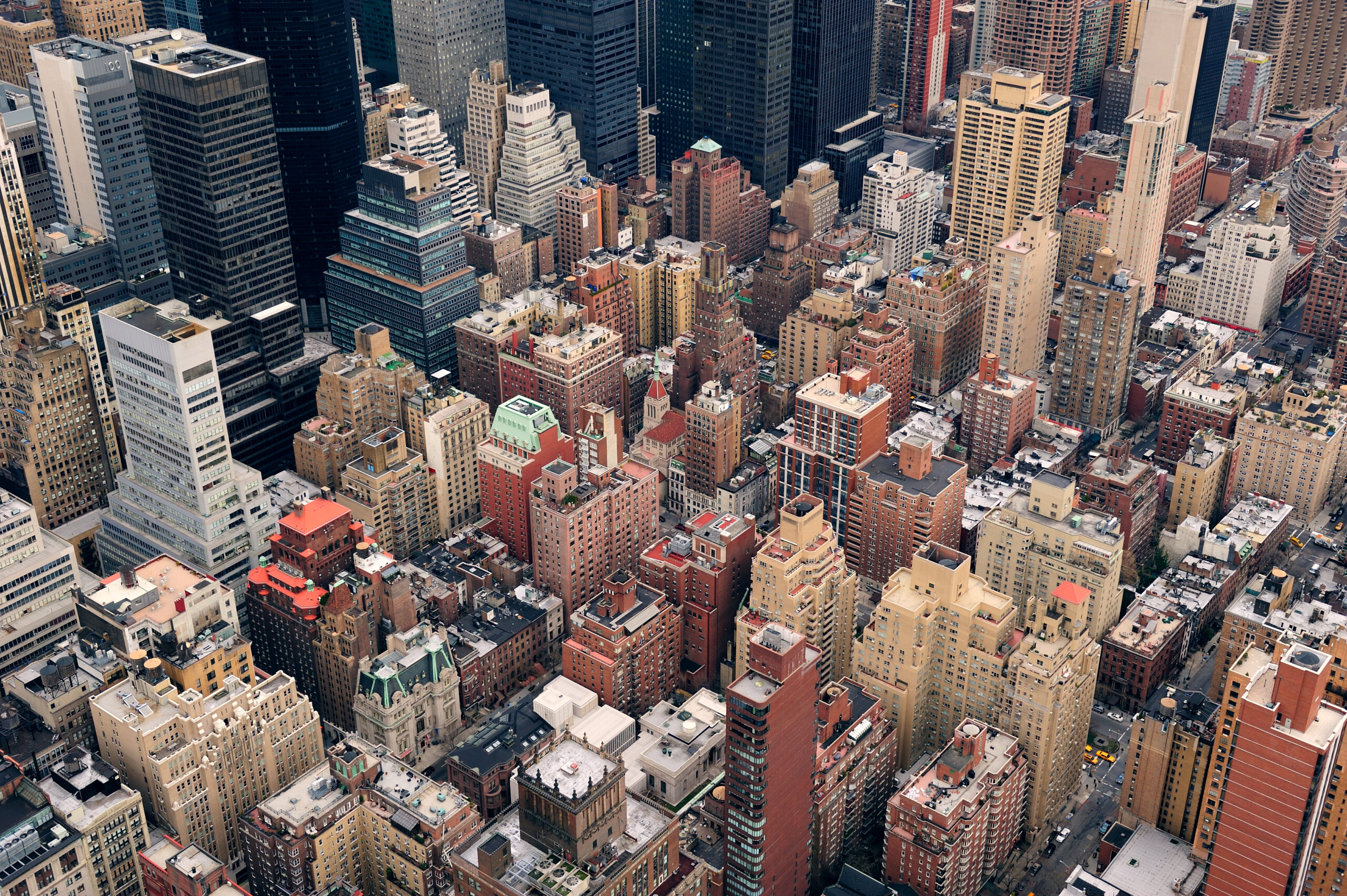
Manhattan’s street layout is one of the most underrated things about the city. Above 14th Street, almost everything is a numbered grid. Streets run east-west, avenues run north-south. Street numbers go up as you head uptown (north), down as you head downtown (south).
Once you internalize this, navigation becomes dead simple. You tell a cab driver “57th and Lex” and you’re there. You know instinctively that if you’re on 30th Street and need to get to 60th, you’re heading uptown. No map required after day two.
The exception is downtown – below 14th Street, things get older and messier. The West Village especially has diagonal streets that make no sense. That’s where you keep your phone out.
The Subway Is Not What You Think
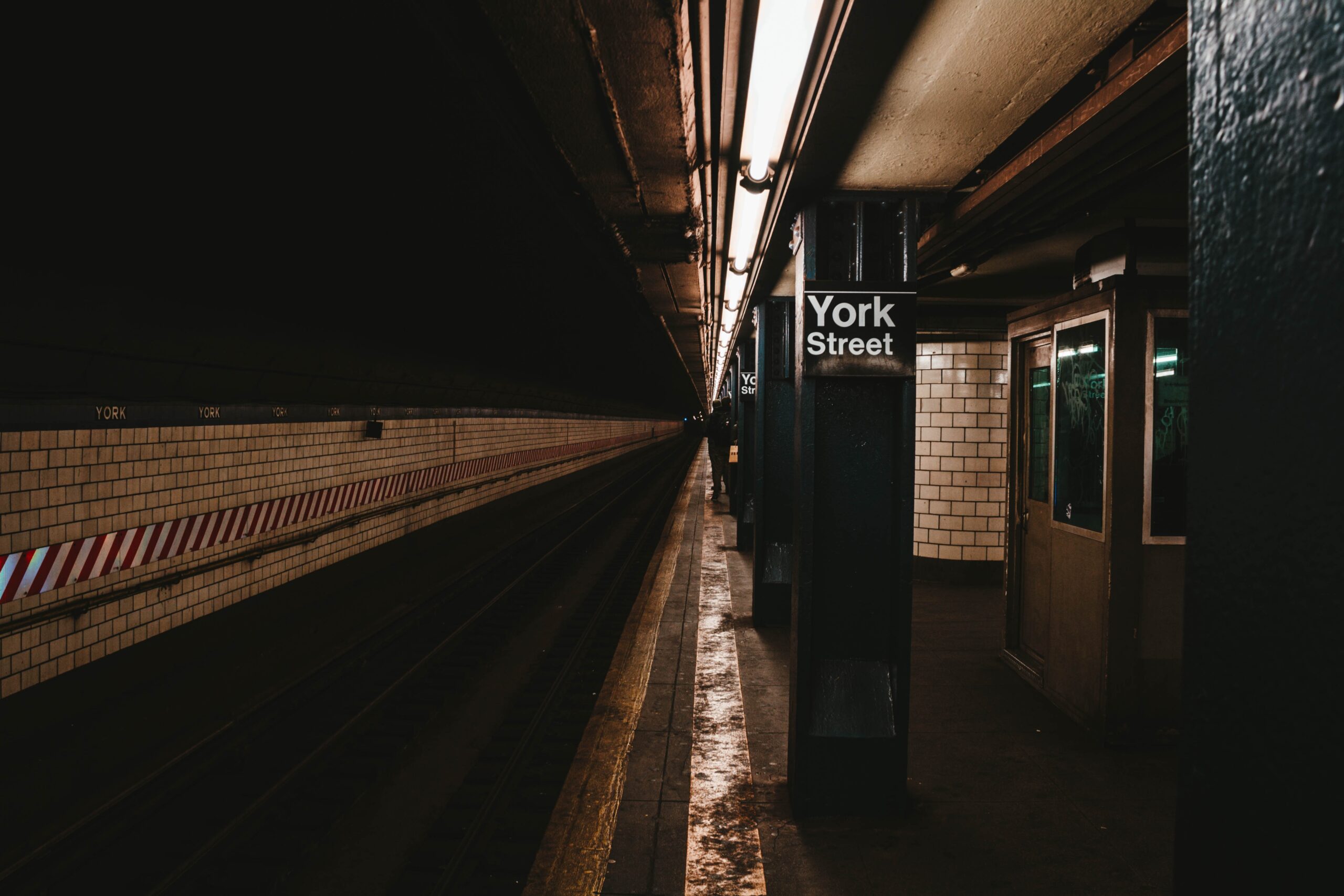
Visitors are scared of the subway. Locals rely on it completely. The reality is somewhere more nuanced: it’s loud, occasionally delayed, and has a smell you’ll identify forever as “distinctly New York” – but it’s also the fastest, cheapest, and most reliable way to get around the city.
A single ride costs $2.90 with an OMNY card (tap your phone or credit card at turnstiles – no MetroCard needed anymore). That beats a taxi or Uber on almost every route, especially during rush hour when Midtown traffic is basically a parking lot.
The thing nobody tells you: check the direction before you swipe. Express trains skip local stops, and it’s painful to ride three stops uptown when you meant to go downtown. Also – weekend service changes are a NYC tradition. Always check the MTA app before heading out on Saturday or Sunday.
The Weather Will Humble You

New York City gets genuinely cold in winter (think below freezing, wind whipping between skyscrapers), legitimately hot in summer (humid, 90°F+, subway platforms that feel like saunas), and absolutely stunning in spring and fall.
The skyscraper wind tunnel effect is real. A 40°F day in NYC feels significantly colder than a 40°F day anywhere else because of the corridors between buildings that funnel and amplify wind. Pack an extra layer you weren’t planning on using. You’ll use it.
If you have any flexibility on timing, September through early November is legitimately the best time to visit. The summer crowds thin out, the air crisps up, and Central Park does this thing in October where it turns gold and amber and suddenly you understand why people love this city so much.
Eat Like a Local, Not Like a Tourist
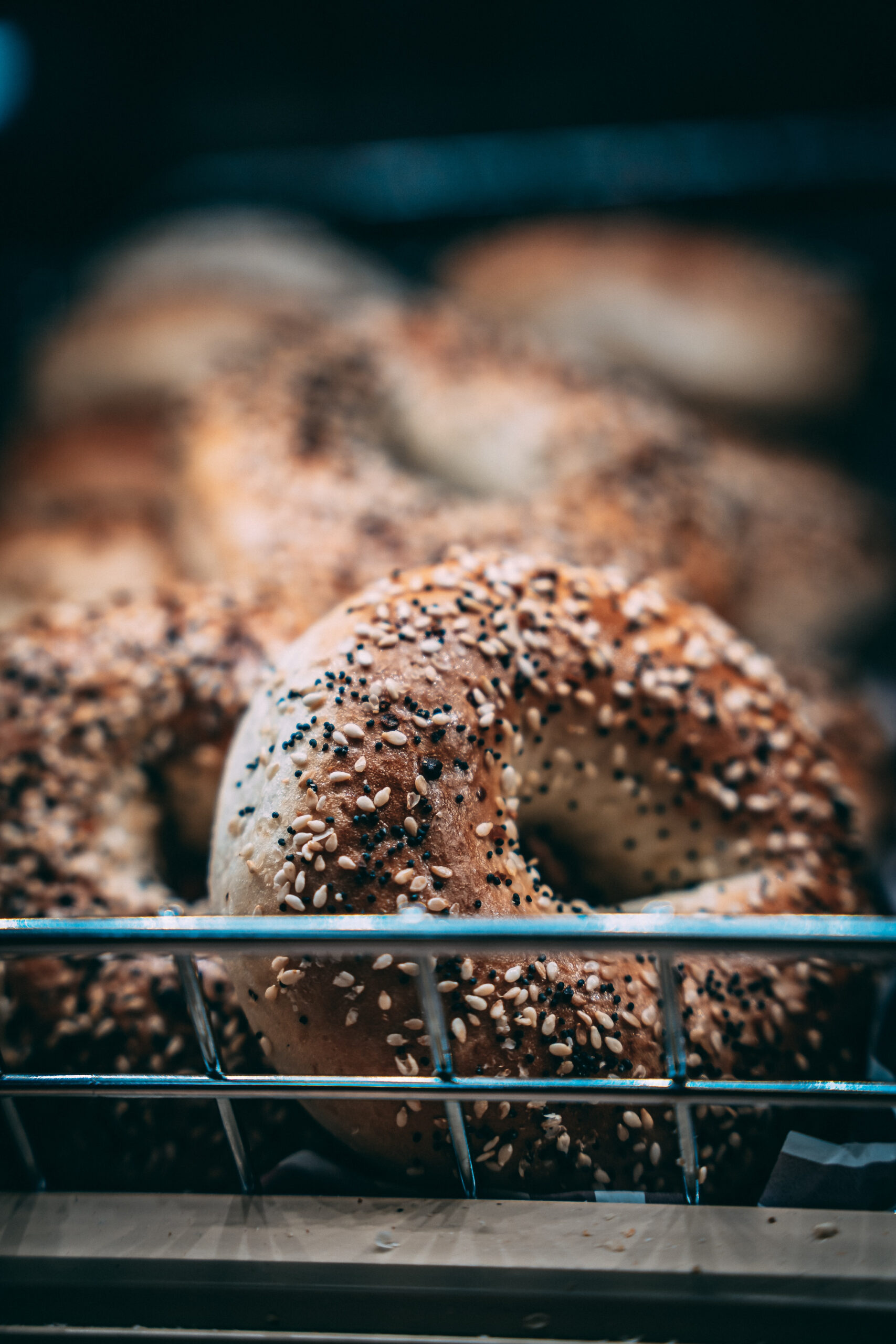
Real talk: the best food in New York City is often the cheapest. A $2 slice of pizza from a no-frills corner spot will genuinely beat a $25 margherita from a restaurant with a Yelp page and an Instagram presence. A bagel with lox and cream cheese from a neighborhood deli is a religious experience. A $14 “artisan” bagel from a trendy spot in Nolita is just a bagel.
Skip the chain restaurants entirely. You didn’t come to New York to eat at a place you could find in an airport. The city is full of incredible Dominican, Chinese, Indian, Korean, and West African food – often in outer boroughs, often incredibly cheap. Flushing, Queens alone has some of the best dim sum in the world. Jackson Heights is a flavor explosion if you like South Asian food.
One actual splurge worth it: a classic NYC diner breakfast. Eggs, toast, coffee, orange juice – around $12-15 before tip, and it’s one of those deeply satisfying meals that just tastes like the city.
Times Square: Go Once, Leave Fast
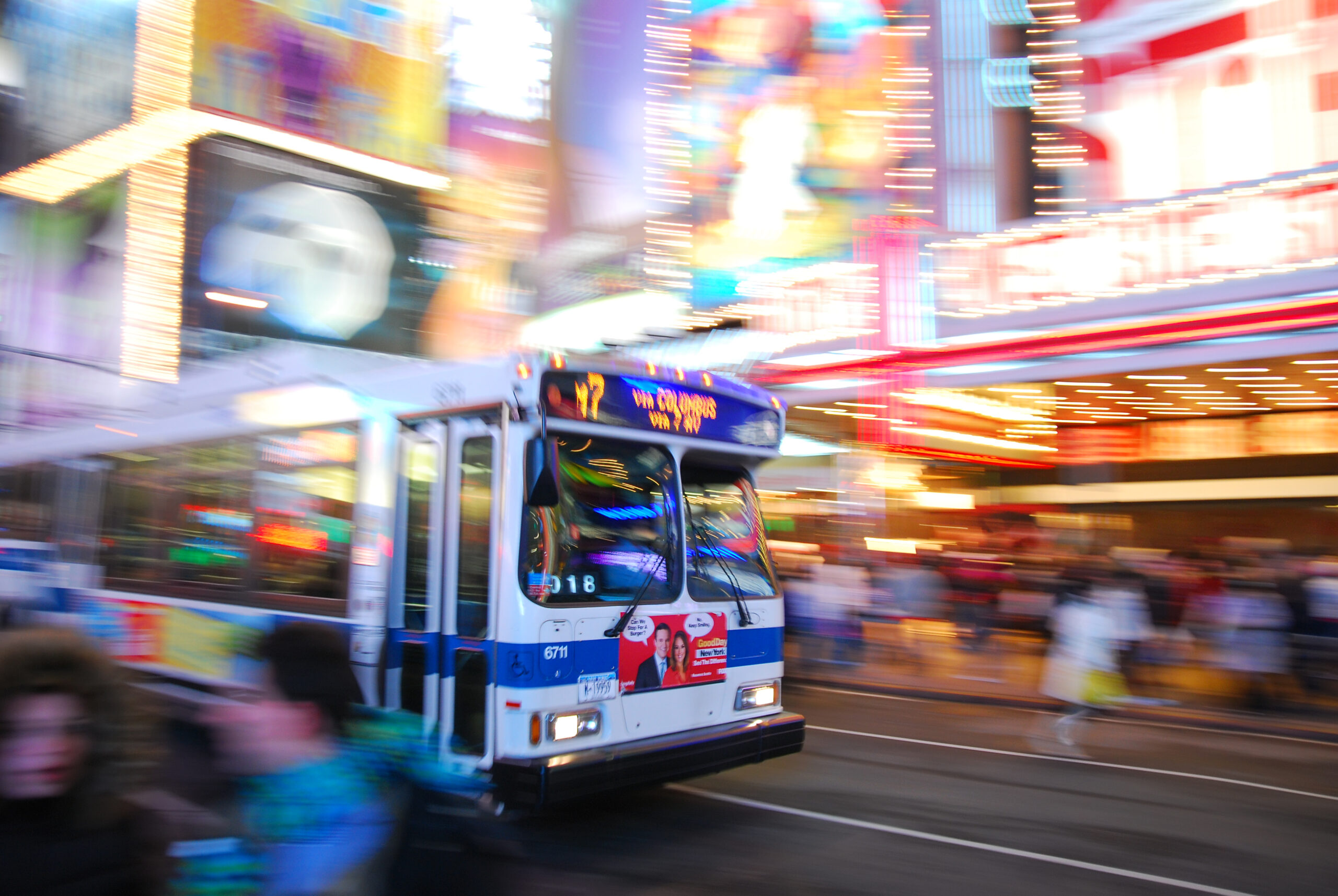
Times Square is spectacular for exactly 20 minutes. The screens, the energy, the sheer density of it – genuinely impressive. Then you realize you’re surrounded by people in Elmo costumes asking for tips, overpriced restaurants with laminated menus and photos of the food, and the same souvenir shops you passed on the last three blocks.
Go at night, take your photo, absorb the spectacle, then walk about ten minutes in any direction and you’re back in the actual city. Midtown has some great things nearby – the reading room at the New York Public Library, Bryant Park, a quick walk to the High Line. Just don’t linger in the tourist vortex.
No New Yorker has voluntarily gone to Times Square in the past five years. That’s your cue.
Walk More Than You Think You Should

First-timers dramatically underestimate how much of New York City is best experienced on foot. The blocks between subway stops are where you find the coffee shop that’s been there since 1987, the bookstore with handwritten staff picks taped to every shelf, the bodega cat sitting on the counter like it owns the place (because it does).
New Yorkers walk fast. Like, significantly faster than you do. Don’t stop in the middle of the sidewalk to check your phone – step to the side. Don’t walk four wide across a narrow sidewalk. Keep moving, stay right, and you’ll be fine. The city isn’t unfriendly; it’s just on a schedule.
Some of the best walking routes in the city: the High Line in West Chelsea, the Brooklyn Bridge (walk Manhattan to Brooklyn, not the other way), the waterfront path in Brooklyn Bridge Park, and honestly just any random stroll through the West Village on a Sunday morning. You’ll stumble onto things no itinerary would put there.
▶ Watch This Before You Go
A Few More Things Worth Knowing
Tipping is not optional. 18-20% at restaurants, a dollar or two per drink at bars, 15-20% in cabs. The city runs on tips. Digital payment screens now default to 18-25% suggestions and stare at you while you decide. Just tip.
Central Park is bigger than you think. It’s 843 acres and stretches 51 blocks from 59th to 110th Street. If you say “let’s walk through Central Park,” pick a specific entry and exit point or you’ll be walking for two hours. That’s not necessarily bad – but know what you’re signing up for.
Your hotel neighborhood matters. Midtown is convenient but soulless. The East or West Village, Chelsea, or the Lower East Side put you in neighborhoods that actually feel like New York. Brooklyn – Williamsburg, DUMBO, Park Slope – is legitimately beautiful and well-connected by subway.
New York rewards the people who slow down enough to notice it – which is ironic, given how fast everyone moves. The best version of a NYC trip isn’t the one where you tick off the most landmarks. It’s the one where you find a corner of the city that feels like yours for a few days.